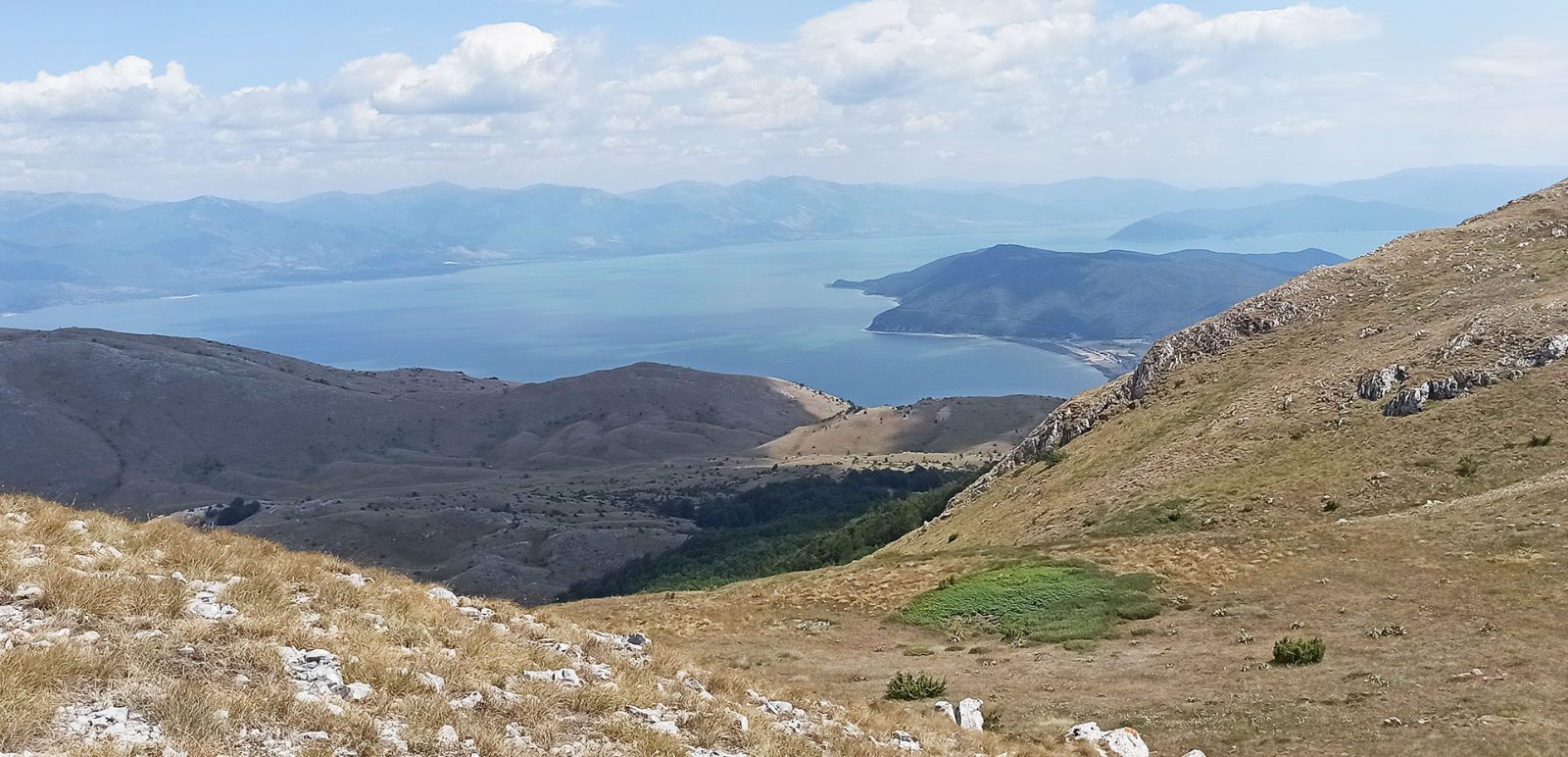
Galičica National Park
15 km from Ohrid
This park separates Lake Ohrid from Lake Prespa and provides hiking trails that offer views of both lakes simultaneously.

Lake Ohrid sits on the border of North Macedonia and Albania, holding water that has existed for more than one million years. The lake and its surrounding old town form a UNESCO World Heritage site, recognized for both natural and cultural significance. This guide covers what makes the lake a destination, what you'll encounter on the ground, and whether the journey matches your travel priorities.
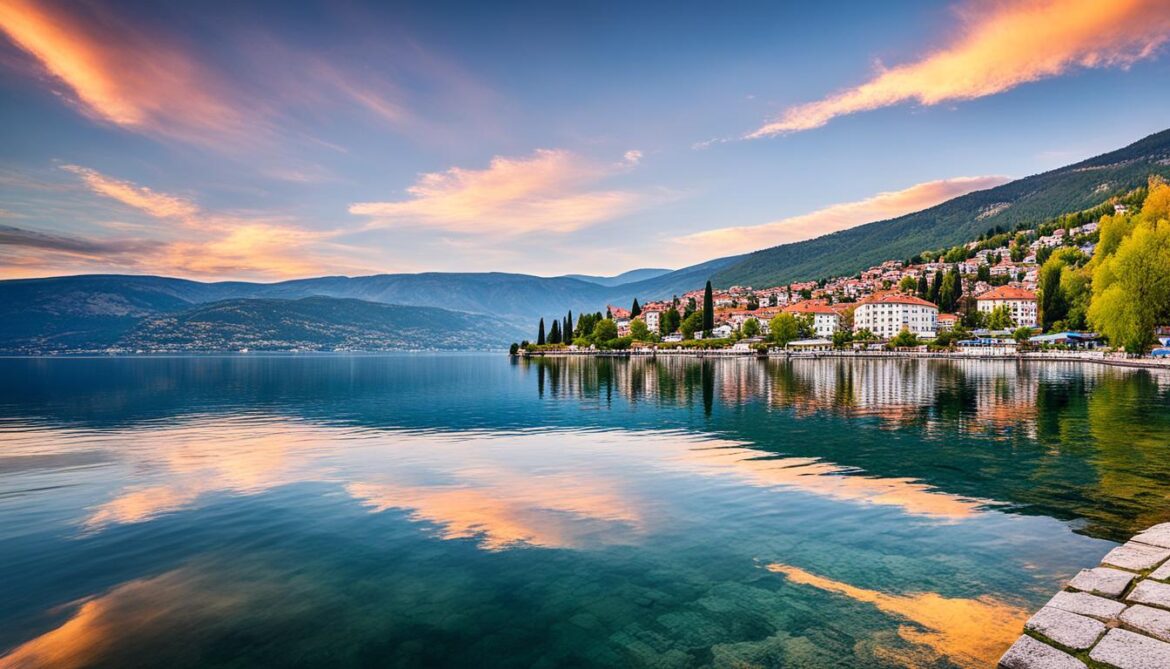
Quick answer
Lake Ohrid is worth visiting if you value a combination of natural beauty and historical depth. The lake itself is free to access year-round, with no entrance fee. The shoreline and surrounding town hold Byzantine churches, Roman ruins, and traditional architecture, all within walking distance of clear water suitable for swimming. Expect a quieter atmosphere than more commercialized European lake destinations, with the best visibility and access between 08:00 and 18:00 when daylight reveals the full scope of the scenery.
Lake Ohrid contains an estimated 200 endemic species found nowhere else on Earth, a biological archive that has survived three ice ages. The lake reaches depths of 288 meters and spans roughly 358 square kilometers, shared between North Macedonia and Albania. It ranks among the oldest lakes in the world, predating most of Europe's better-known water bodies by hundreds of thousands of years. Whether Lake Ohrid is worth visiting depends on what you seek from a destination. The shoreline offers immediate access to swimming and boat exploration without the infrastructure density of Alpine or Italian lakes. The old town of Ohrid rises from the water's edge in tiers, with cobbled lanes leading to the Church of St. John at Kaneo, a 13th-century structure positioned on a cliff above the lake. Roman amphitheaters, medieval fortifications, and monastic complexes occupy the hills surrounding the water, all within a compact walkable zone. The lake carries UNESCO designation for both its ecological rarity and its role as a center of Slavic literacy and culture during the medieval period. Samuel's Fortress overlooks the town from 200 meters above the shore, offering perspective on the lake's full expanse and the mountains that frame it. The water remains exceptionally clear due to karst filtration, with visibility often exceeding 20 meters in the deeper sections. Summer temperatures in the shallows reach 24°C, warm enough for extended swimming. Visitors comparing Lake Ohrid to more developed European lake regions should anticipate a different rhythm. Accommodation and dining options skew toward family-run guesthouses and local taverns rather than international chains. The town sees fewer crowds than Lake Bled or Lake Como, particularly outside July and August. Access from major hubs requires either a flight to Ohrid Airport or an overland journey from Skopje or Tirana, adding time but filtering for travelers willing to prioritize substance over convenience. If your measure of worth includes ecological rarity, layered history, and water quality without mass tourism, the lake delivers.
“Lake Ohrid contains an estimated 200 endemic species found nowhere else on Earth, a biological archive that has survived three ice ages.”
The period from June to September offers the most favorable conditions for water activities and lakeside exploration. For optimal visibility and quieter navigation of the water, plan your visit during the best arrival window of 08:00–18:00.
Mild, 18°C to 24°C
The landscape is green and temperatures are comfortable for outdoor movement.
Warm and sunny, 25°C to 30°C
This season provides the best water temperatures for swimming and boat tours.
Pleasant, 20°C to 25°C
Weather remains stable while the density of visitors begins to decrease.
—
Arriving between 08:00 and 11:00 allows for calm water and easier access to popular shoreline locations.
Verdict: Visit between Tuesday and Thursday during the month of September, arriving at 08:00 to experience the lake with fewer visitors.
Access to the lake itself is free of charge for all visitors. Individual museums, historic sites, and cultural monuments located around Lake Ohrid maintain their own separate admission fee structures.
Verdict: A visitor pays 0 MKD for general lake access, with total costs depending on which specific cultural sites or museums they choose to enter.
Lake Ohrid is located in Ohrid, North Macedonia. Travelers typically reach the region by bus from major Balkan cities or via road travel to the city center.
Intercity bus to Ohrid Central Bus Station
E-65 highway to Ohrid
Local transport within Ohrid to the waterfront
Plan your arrival within the best arrival window of 08:00–18:00 to ensure full daylight for navigating the local streets and accessing the lakefront.
Exploring Lake Ohrid provides a foundation for discovering the diverse natural and cultural landmarks situated throughout the surrounding region. These locations complement a lake visit by offering elevated perspectives and varied terrain.
15 km from Ohrid
This park separates Lake Ohrid from Lake Prespa and provides hiking trails that offer views of both lakes simultaneously.
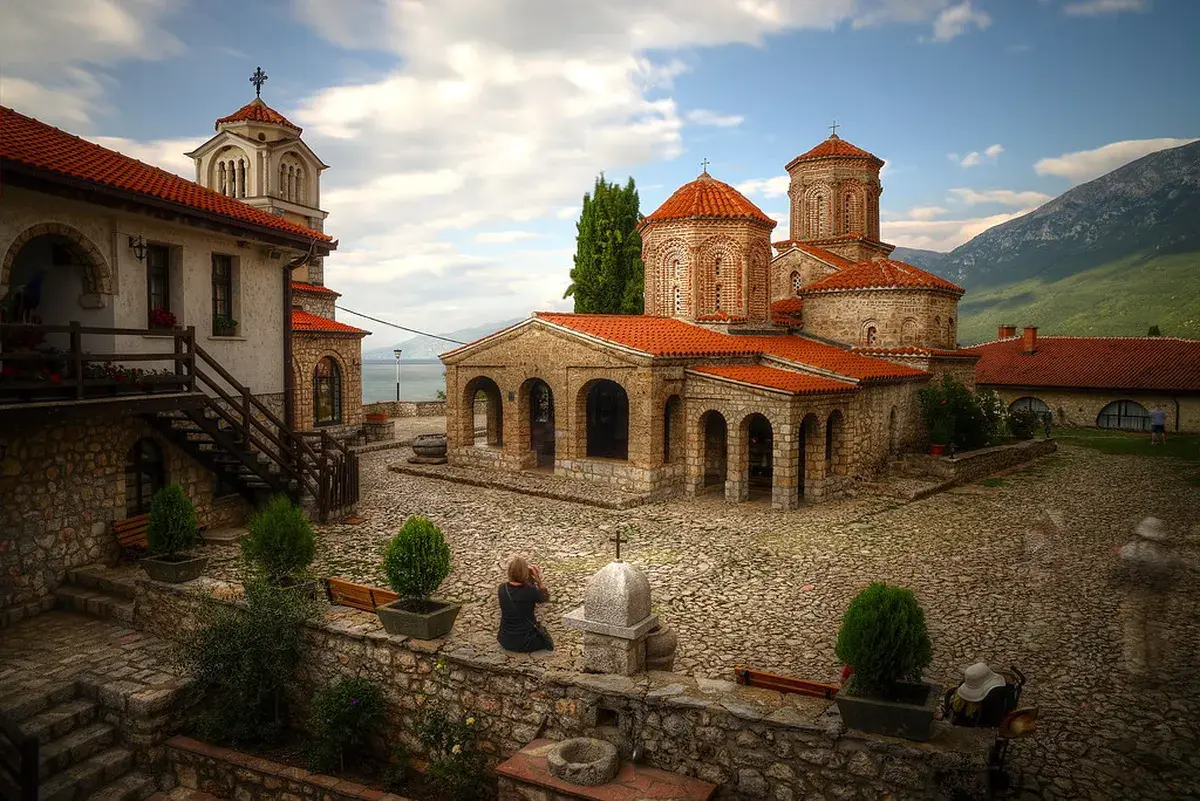
29 km from Ohrid
Located at the southern end of the lake, this site features natural springs and architecture that contrast with the town-center sights.
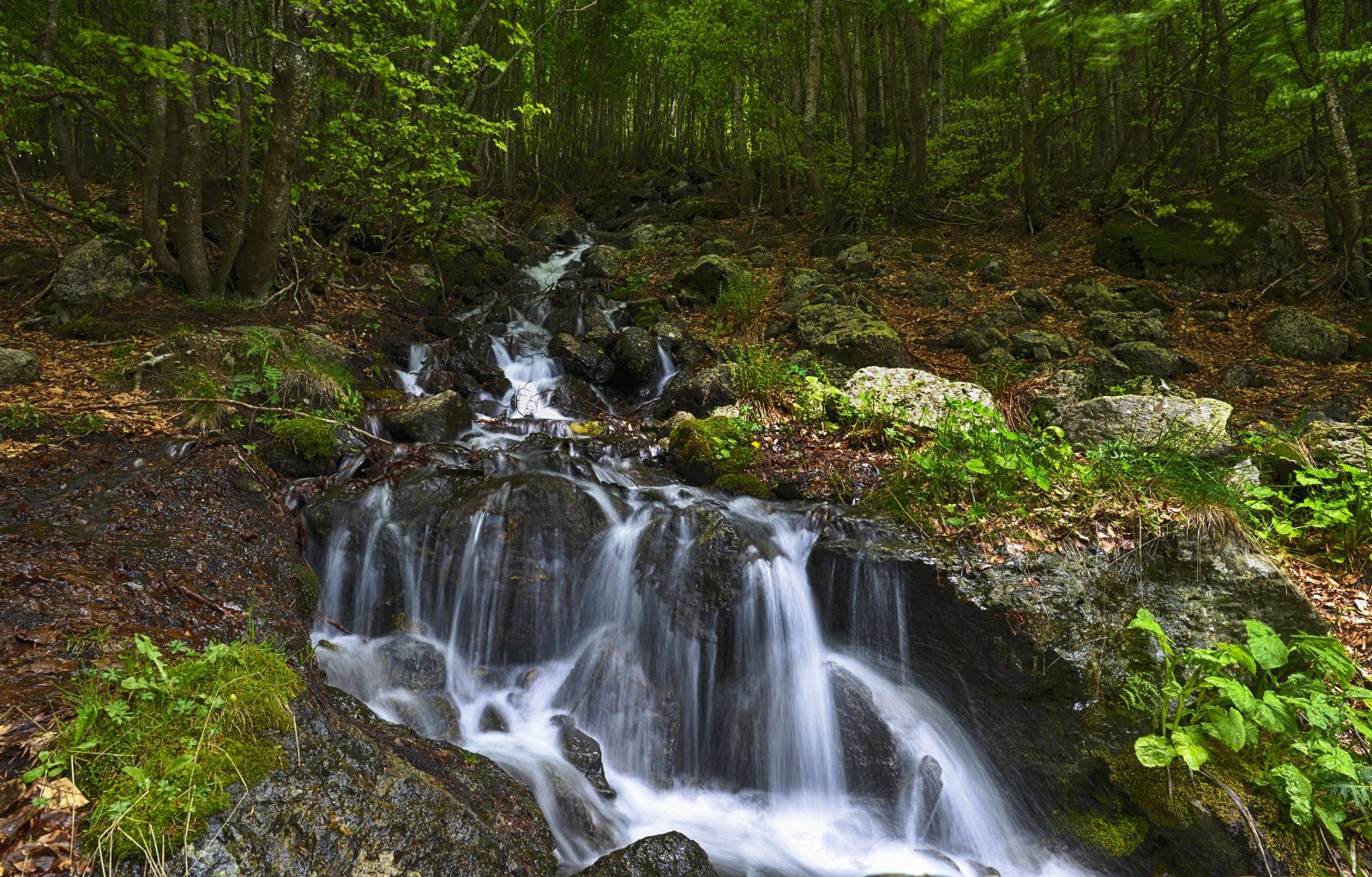
30 km from Ohrid
These springs provide a quiet natural setting that pairs well with the water-focused experience of the lake.
Everything you need to know about is lake ohrid worth visiting
Many travelers find that is lake ohrid worth visiting due to its status as one of Europe's oldest and deepest lakes. Its clear waters and surrounding mountains provide a peaceful retreat for those seeking cultural and historical depth.
This location is recognized as a UNESCO World Heritage site for its unique ecosystem and centuries of religious history. Visitors often appreciate the blend of ancient monasteries, Byzantine architecture, and preserved natural landscapes found across the region.
Entrance to the lake itself is 0 MKD, meaning there is no fee to access the waterfront or walk along the shore. Individual sites, museums, and historical landmarks around the perimeter may charge their own separate fees for entry.
Families often conclude is lake ohrid worth visiting because the area offers accessible paths and gentle boat excursions suitable for all ages. The calm water and nearby parks provide a safe environment for children to explore the regional geography.
The best arrival window is 08:00–18:00, as daylight offers the best visibility for the lake scenery and exploration of surrounding sites. Navigating the water during these hours ensures optimal conditions for viewing the landmarks from the deck.
Nature enthusiasts often ask is lake ohrid worth visiting because of the endemic species and pristine clarity of the water. The surrounding Ohrid-Prespa basin serves as an important habitat, offering rich biodiversity that remains a highlight for many outdoor explorers.
While public access to the lake is free, keep in mind that private tours, museum visits, and specific site excursions will have their own pricing structures. It is helpful to plan your itinerary in advance to account for these specific site-based costs.
Even for those on a short trip, the ease of access to the waterfront makes it a highly convenient stop in North Macedonia. With its central location in Ohrid, travelers can experience the main attractions and boat perspectives within a single afternoon.
Labino Boat Trips
Read more GuideLake Ohrid Boat Ride Info
Read more GuideCan You Swim In Lake Ohrid
Read more GuideWhere Is Lake Ohrid
Read more GuideLake Ohrid History
Read more Tickets & toursPrivate Boat Tour Lake Ohrid
Read more Tickets & toursLake Ohrid Boat Party
Read more